A New Dawn for UK-Nigeria Relations: President Tinubu's Historic Visit Sparks Economic Growth and Job Creation
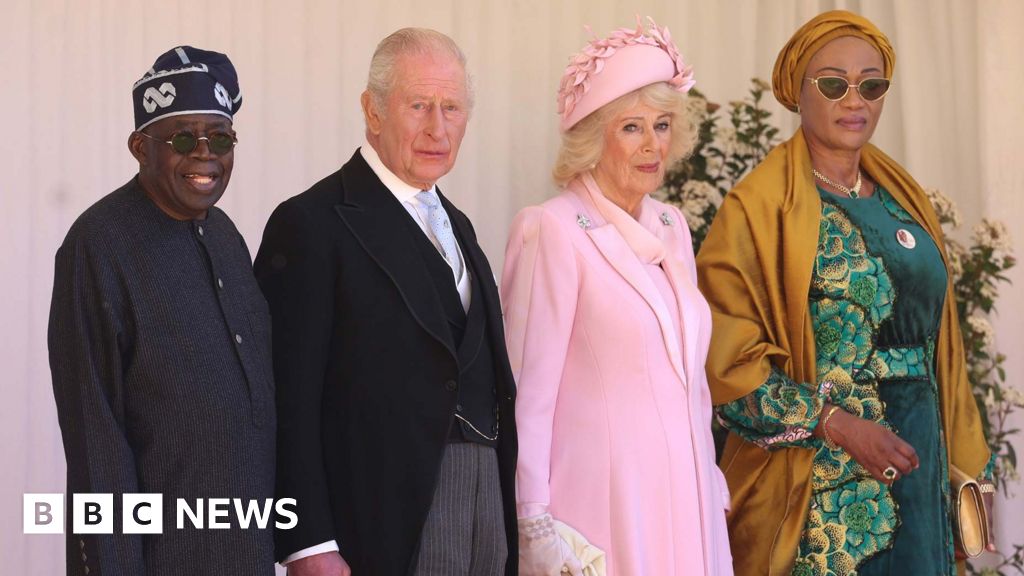
The historic state visit of President Bola Ahmed Tinubu of Nigeria to the United Kingdom, marking the first such occasion in 37 years, has heralded a significant boost in bilateral relations, particularly in the realm of trade and investment. Hosted by King Charles III at Windsor Castle, this high-profile engagement has transcended mere diplomatic ceremony, laying a robust foundation for enhanced economic cooperation and, crucially, the creation of hundreds of new jobs across both nations. The unprecedented timing of the visit, which saw the first incoming state visit by a Muslim leader during Ramadan in almost a century, further underscored its unique significance and the mutual respect underpinning the renewed partnership.
The Significance of a Historic Handshake: Diplomacy Meets Opportunity
The grandeur of the welcome extended to President Tinubu and his wife, Oluremi Tinubu, by King Charles and Queen Camilla at Windsor Castle was a spectacle steeped in tradition and symbolism. From the broad smile and handshake offered by the King to the ceremonial procession featuring the Household Cavalry Mounted Regiment and the Guard of Honour from the Grenadier Guards, every detail conveyed the profound importance attached to this visit. Senior royals, including the Prince and Princess of Wales, also played a pivotal role in greeting the Nigerian delegation, reinforcing the depth of the diplomatic ties. This elaborate reception, as detailed in reports like
Historic State Visit: King Charles Welcomes Nigerian President After 37 Years, was more than just pageantry; it was a powerful statement of intent, signaling a reinvigorated commitment to fostering a stronger partnership between the UK and the West African powerhouse.
The absence of a traditional lunch with the King, out of respect for the President's observance of Ramadan, further highlighted the cultural sensitivity and adaptability inherent in modern diplomacy. Such thoughtful gestures contribute to building trust and understanding, essential ingredients for long-term strategic alliances. The ceremonial welcome, unfolding under brilliant spring sunshine, provided the perfect backdrop for discussions aimed at solidifying the UK's position as a global hub for African business, while simultaneously opening new avenues for Nigerian companies to scale their operations internationally.
Paving the Way for Prosperity: Economic Impact & Job Creation
At the heart of President Tinubu's visit was a clear agenda: to strengthen economic ties and unlock tangible benefits for both the UK and Nigeria. This strategic focus quickly bore fruit, with the Department for Business and Trade announcing that hundreds of new jobs are set to be created as several Nigerian companies expand their presence in the UK. This development is a direct testament to the confidence that Nigerian investors have in the UK market and the proactive efforts by both governments to facilitate cross-border business.
The UK's appeal as a destination for Nigerian investment stems from several factors:
- Global Business Hub: Its well-established financial markets, robust legal framework, and position as a gateway to wider European and global markets make it an attractive base for international expansion.
- Access to Talent: The UK boasts a highly skilled workforce, particularly in sectors like technology, finance, and creative industries, which are key areas of growth for Nigerian enterprises.
- Innovation Ecosystem: A vibrant startup culture and strong research and development capabilities provide Nigerian businesses with opportunities for collaboration and technological advancement.
Conversely, Nigeria, with its population triple that of the UK and Africa's largest economy, offers immense opportunities for UK businesses looking to expand into one of the world's fastest-growing markets. The two-day visit provided a critical platform for leaders to discuss policy frameworks, investment protections, and ease of doing business, all crucial elements for sustainable economic partnership.
This wave of investment from Nigerian companies scaling up operations in the UK is expected to generate jobs not just within these expanding firms but also indirectly across supporting industries such as logistics, professional services, and local supply chains. For individuals seeking employment in the UK, particularly those with connections to international trade or specific sectors like FinTech, this could open up exciting new avenues.
Navigating the Future: Opportunities for UK-Nigeria Collaboration
The discussions between the King, the Nigerian president, and various government ministers undoubtedly covered a broad spectrum of potential collaborations beyond immediate business expansions. This visit marks a renewed commitment to fostering a partnership that addresses mutual challenges and harnesses shared opportunities.
Key Sectors for Growth
The economic boost is likely to be concentrated in several key sectors where both countries demonstrate strong potential and complementary strengths:
- Technology and FinTech: Nigeria's burgeoning tech scene and its position as a leader in mobile payments and financial innovation find a natural partner in the UK's sophisticated financial infrastructure and tech expertise.
- Renewable Energy: With global focus on sustainable development, collaboration in renewable energy projects, from solar farms to green technology transfer, presents a significant area for investment and job creation.
- Creative Industries: Nigeria's vibrant film (Nollywood), music, and fashion industries can leverage the UK's established global platforms and distribution networks, creating cultural and economic exchange.
- Agriculture and Agri-Tech: Modernizing Nigeria's agricultural sector with UK technology and expertise can boost food security and create value chains beneficial to both economies.
Practical Steps for Businesses
For businesses looking to capitalize on this strengthening relationship, several practical steps can facilitate successful expansion:
- Market Research: Thoroughly understand the regulatory landscape, consumer preferences, and competitive environment in the target market.
- Local Partnerships: Collaborating with local businesses or experts can provide invaluable insights and help navigate cultural and operational nuances.
- Leverage Trade Bodies: Organizations like the UK-Nigeria Business Council or Department for Business and Trade offer resources, networking opportunities, and guidance.
- Legal and Financial Due Diligence: Secure expert advice on legal structures, tax implications, and financial planning for cross-border operations.
The strategic dialogue initiated during the state visit, which included attendance by Nigeria's attorney general Lateef Fagbemi and minister of state for foreign affairs Bianca Odumegwu-Ojukwu, as captured in reports like
Windsor Castle Grandeur: Inside Nigeria's First UK State Visit in Decades, is crucial for setting the policy framework that encourages and protects these investments.
A New Era of Partnership: Beyond Diplomacy
The state banquet, attended by political leaders and celebrities with links to Nigeria, provided another significant platform for networking and cementing relationships. Such events go beyond formal meetings, fostering informal connections that often pave the way for future collaborations. The presence of the **king nigerian president** together at these social functions symbolizes a deeper bond that extends beyond mere transactional agreements.
This visit has reinforced the importance of international cooperation in a complex global landscape. Against the backdrop of global economic shifts and geopolitical challenges, strengthening alliances with key developing economies like Nigeria is strategically vital for the UK. For Nigeria, securing foreign investment and opening new markets for its businesses is essential for its ambitious development goals and job creation targets for its burgeoning youth population.
The coming months and years will reveal the full extent of the benefits stemming from this historic encounter. However, the immediate impact, particularly the announcement of new jobs from Nigerian companies scaling up in the UK, is a clear indicator that the visit has already moved beyond rhetoric to deliver tangible economic advantages.
Conclusion
President Bola Ahmed Tinubu's state visit to the UK, hosted with magnificent ceremony by King Charles III, has undoubtedly marked a pivotal moment in UK-Nigeria relations. More than a symbolic reunion after 37 years, this visit has served as a powerful catalyst for economic growth, directly contributing to job creation and fostering an environment conducive to increased trade and investment. By deepening ties across key sectors and committing to a robust, mutually beneficial partnership, both nations are poised to unlock significant opportunities, building a future founded on shared prosperity and collaboration. This new era of engagement promises not only economic dividends but also stronger cultural and diplomatic understanding, setting a precedent for future UK-Africa relations.