Windsor Castle Grandeur: Inside Nigeria's First UK State Visit in Decades
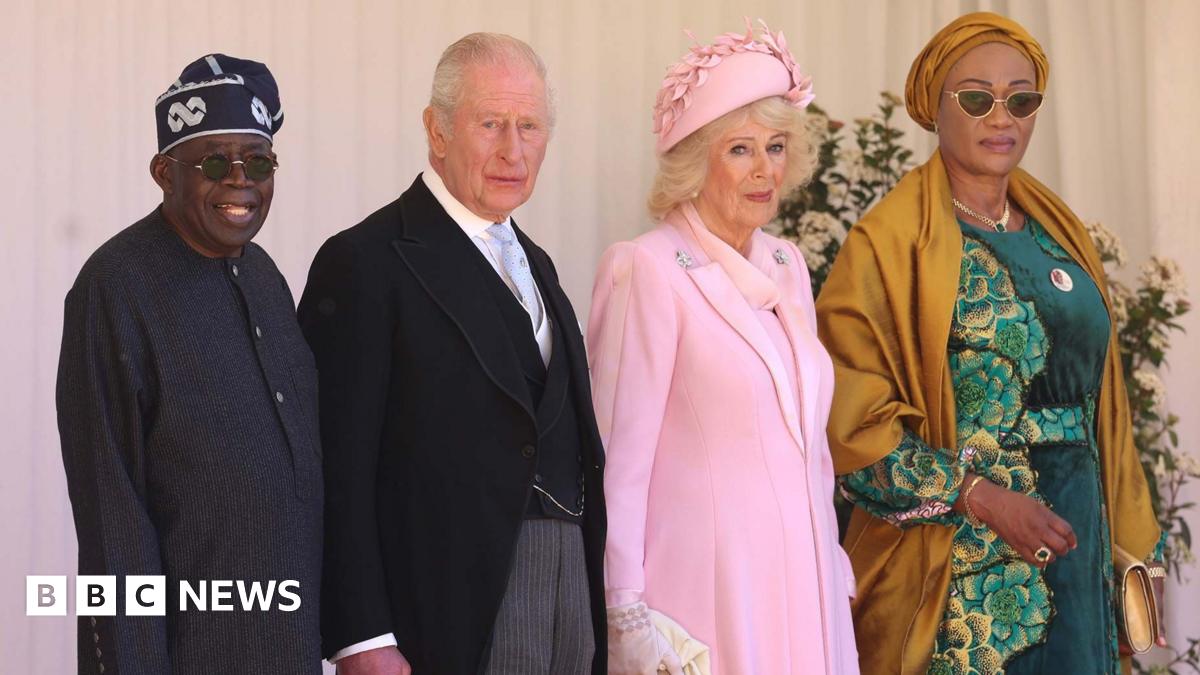
In a spectacle of regal tradition and renewed diplomatic ties, King Charles III extended a warm and ceremonial welcome to Nigerian President Bola Ahmed Tinubu at the majestic Windsor Castle. This momentous occasion marked the first state visit to the United Kingdom by a leader of the West African nation in 37 years, a significant pause that underscored the importance of this renewed engagement. The event, imbued with historical weight and contemporary relevance, saw the
king nigerian president duo at the heart of intricate diplomatic pageantry, signaling a new chapter in UK-Nigeria relations.
The visit, which also marked the first incoming state visit by a Muslim leader during the holy month of Ramadan in nearly a century, highlighted not only the enduring British commitment to global diplomacy but also a nuanced understanding of cultural and religious sensitivities. As the world watched, the sun-drenched grounds of Windsor Castle provided a fitting backdrop for an event designed to fortify alliances and foster future collaborations between two nations with deeply intertwined histories. For a deeper dive into the historical context of this significant event, read our article:
Historic State Visit: King Charles Welcomes Nigerian President After 37 Years.
A Resplendent Royal Welcome at Windsor
The ceremonial welcome for President Bola Ahmed Tinubu and his wife, Mrs. Oluremi Tinubu, was a masterclass in British royal tradition, meticulously planned and executed. King Charles III, accompanied by Queen Camilla, personally greeted the Nigerian dignitaries at Windsor, initiating the day's events with a broad smile and a firm handshake. This personal touch from the monarch immediately set a tone of genuine cordiality and respect.
The grandeur unfolded swiftly, with the Royal Family's senior members playing their respective roles. Prince William and Princess Catherine, the Prince and Princess of Wales, were also present, greeting Queen Camilla with traditional kisses and curtsies, adding to the gravitas of the occasion. King Charles engaged the Nigerian president in conversation, standing side by side on the dais, pointing out the immaculate Sovereign’s Escort from the Household Cavalry Mounted Regiment. Their resplendent uniforms, gleaming in the spring sunshine, were a vivid testament to the precision and heritage of British military ceremony. The atmosphere was further invigorated by the cheers of Nigerian supporters gathered along the route, a vibrant display of national pride and anticipation.
The Grand Procession: Carriages, Guards, and Global Diplomacy
The journey from the greeting point through the historic streets of the Berkshire town to the castle’s quadrangle was a breathtaking procession. The
king nigerian president travelled in the Australian State Coach, a symbol of Commonwealth unity, led by the distinguished Household Cavalry. Following them, Queen Camilla and Mrs. Tinubu rode in the elegant Scottish State Coach, while Prince William and Princess Catherine shared the Irish State Coach with Nigeria’s Attorney General Lateef Fagbemi and Minister of State for Foreign Affairs Bianca Odumegwu-Ojukwu. Each coach represented a part of the United Kingdom's diverse heritage, symbolically embracing the visiting delegation.
Upon arrival at the Windsor Castle quadrangle, the scene was one of unparalleled military pomp. A Guard of Honour from the Grenadier Guards, striking in their scarlet tunics and iconic bearskin hats, awaited, accompanied by the rousing melodies of the Band of the Grenadier Guards. Around 100 guardsmen and officers, commanded by Major Ben Tracey, stood in two impeccably formed lines. Major Tracey formally presented his guardsmen, ready for inspection. In a significant moment, President Tinubu, escorted by the Major and with King Charles a few paces behind, meticulously inspected the first row of troops. This tradition, deeply rooted in military and diplomatic protocol, signifies respect and the formal recognition of the visiting head of state. A thunderous gun salute and the playing of national anthems further underscored the solemnity and importance of the occasion, solidifying the ceremonial grandeur that only a state visit can command. The Household Cavalry’s parade inside the castle, kicking up dust in perfect symmetry, added a dynamic flourish to the carefully orchestrated events.
Strategic Significance: Beyond the Pomp and Pageantry
While the ceremonial aspects of the state visit were undeniably captivating, the underlying strategic significance for both nations was paramount. This was more than just a grand display; it was a deliberate move to strengthen the United Kingdom’s position as a global hub for African business and to deepen bilateral ties with Nigeria, the continent's most populous nation and a key economic player.
The 37-year gap since the last Nigerian state visit to the UK is a stark reminder of past diplomatic ebbs and flows, making this visit a powerful statement of renewed commitment. The timing, coinciding with Ramadan, also necessitated thoughtful adjustments to traditional state visit protocols. Notably, there was no customary lunch with the King at Windsor, out of respect for the president's fasting. This small yet significant detail highlighted a modern approach to diplomacy that values cultural understanding and mutual respect.
Beyond the symbolic gestures, the visit yielded tangible economic outcomes. The Department for Business and Trade announced that a series of Nigerian companies are poised to scale up their operations in the UK, a move anticipated to create hundreds of new jobs. This underscores the visit's commercial dimension, aiming to foster mutually beneficial economic growth. This commitment to economic partnership is further explored in our related article:
UK-Nigeria Business Boost: President Tinubu's State Visit Sparks New Jobs. The discussions between the
king nigerian president and their respective entourages undoubtedly delved into trade, investment, security cooperation, and climate change, setting a roadmap for future engagements.
Ensuring Security and Fostering Dialogue
Amidst the celebratory atmosphere, security remained a top priority. Thames Valley Police implemented extensive security measures throughout Berkshire, a necessary precaution given the international backdrop of global events, including the deepening Middle East crisis. Such comprehensive planning ensures the safety of all dignitaries and the smooth execution of the visit, allowing diplomatic dialogue to flourish without hindrance.
The state banquet hosted on Wednesday evening, attended by political leaders and celebrities with Nigerian links, served as another crucial platform for dialogue and networking. These gatherings are not merely social events but provide informal settings for building rapport, discussing pressing global issues, and strengthening personal connections that often underpin successful diplomatic relations. The presence of such a diverse group underscores the multifaceted nature of the UK-Nigeria relationship, encompassing not just government-to-government ties but also vibrant cultural, social, and economic connections.
Conclusion
The state visit of Nigerian President Bola Ahmed Tinubu to the United Kingdom, hosted by King Charles III at Windsor Castle, was a landmark event that transcended mere pomp and ceremony. It was a powerful reaffirmation of a vital bilateral relationship, marked by meticulous planning, deep respect for tradition, and a forward-looking agenda focused on economic cooperation and diplomatic strengthening. From the dazzling display of royal pageantry to the thoughtful consideration of cultural nuances like Ramadan fasting, every aspect of the visit underscored a renewed commitment to partnership. As the
king nigerian president concluded their engagements, the message was clear: a new era of collaboration between the UK and Nigeria has begun, promising shared prosperity and a reinforced alliance on the global stage.